


ABOUT THE ORGANISATION
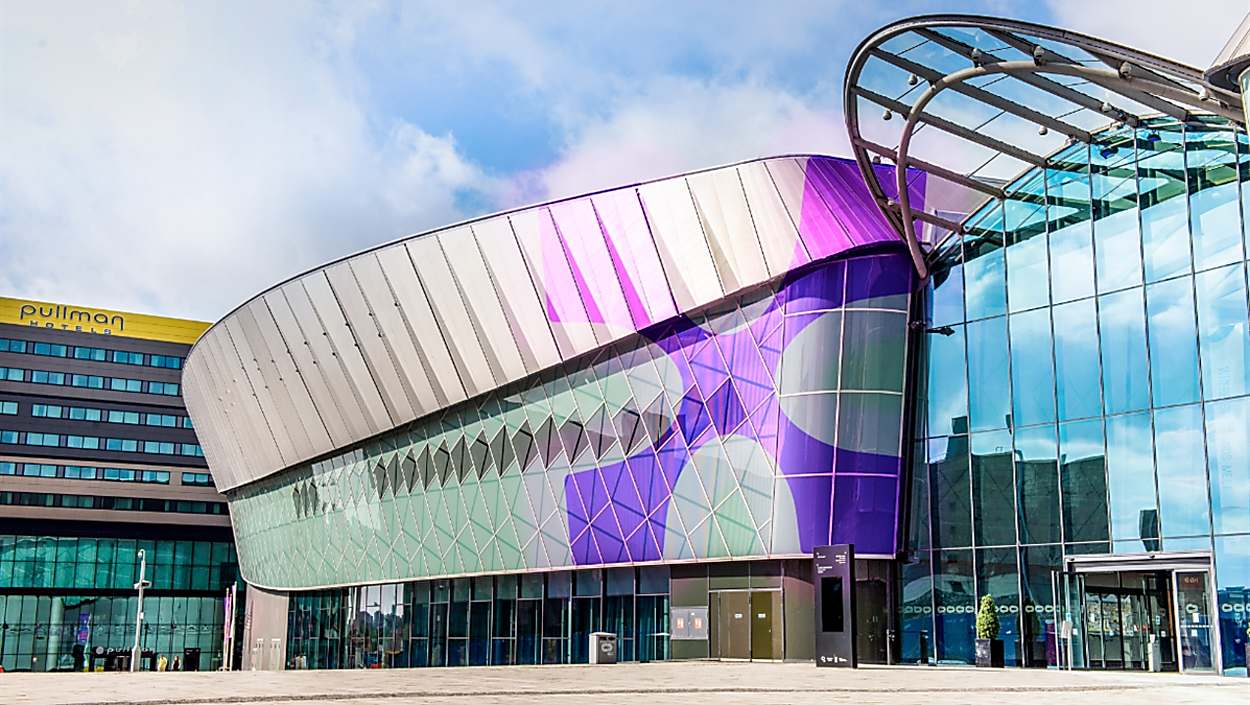
Liverpool Experience Campus, formerly ACC Liverpool, is a connected events campus located on the city’s iconic waterfront. The site brings together a series of purpose-built venues and on-site hotels, including an award-winning convention centre, an 11,000-capacity arena and a multi-hall exhibition centre.
The campus is an event-driven destination where people can come together to experience culture, innovation, and ideas, delivering moments that leave a lasting impact on all who visit.
THE CHALLENGE
Large-scale event venues can present a wide range of accessibility challenges, from navigating complex spaces to managing sensory environments and accessing clear, reliable information. With thousands of visitors attending events each year, Liverpool Experience Campus recognised the importance of ensuring that accessibility is embedded consistently across both physical spaces and digital interactions.
The organisation also identified the need to provide detailed, accurate information in advance, helping visitors understand what to expect and plan their experience with confidence.
WHAT THEY DID
Accessibility improvements at Liverpool Experience Campus have focused on clear communication, digital inclusion and partnership-led learning.
Key initiatives include:
- Working with AccessAble to produce detailed access guides covering all public-facing areas, available via the website.
- Providing comprehensive pre-event information, including door times, performance durations, transport options, parking and drop-off points.
- Adopting the Hidden Disabilities Sunflower Scheme across the campus
- Achieving the Breastfeeding Mayoral Quality Mark to support breastfeeding-friendly spaces.
- Introducing accessiBe technology across websites, enabling users to customise digital accessibility features such as text size, contrast and screen reader compatibility
Alongside these measures, the team regularly audits digital and written communications to ensure accessibility best practice, including clear formatting, alt text, captions and audio description where possible.
Accessibility improvements are shaped through collaboration, including working with AccessAble, gathering visitor feedback, benchmarking against other major UK venues, and contributing to the Liverpool City Region Accessibility for All Forum
THE IMPACT
The changes have led to increased positive feedback from visitors, particularly those with access requirements, who report a more inclusive and welcoming experience. This has helped strengthen the campus’s reputation as a venue that actively considers the needs of all guests.
Internally, staff confidence has also improved. Teams feel better equipped to support a wide range of access needs, resulting in smoother interactions and more consistent service delivery across the visitor journey.
Together, these improvements have enhanced both the customer experience and day-to-day operations across the campus
BEST PRACTICE HIGHLIGHTS
- Providing detailed, accessible pre-visit information
- Embedding accessibility across both physical and digital experiences
- Working in partnership with experts and local forums
- Using feedback and benchmarking to guide continuous improvement
ADVICE TO OTHERS
Eddie dos Santos, Director of Operations and Venue Management, reflects on the organisation’s approach:
“For Liverpool Experience Campus, accessibility is an ongoing journey rather than a one-off project. We recognise that meaningful change takes time and relies on listening, learning and adapting.
“By working with experts, engaging with visitors and continuously reviewing our approach, the organisation is building a more inclusive experience step by step.”
Liverpool Experience Campus highlights the importance of taking a long-term, collaborative approach to accessibility, recognising that not every improvement can be delivered at once, but that consistent progress makes a lasting difference.
Reflecting on their approach, they encourage others to focus on continuous improvement and open dialogue. Eddie added:
“Accessibility is an ongoing process. It’s about taking the time to understand people’s needs, working with experts and listening to feedback. Small, ongoing changes can make a real difference to how people experience your spaces.”
For more information on Liverpool Experience Campus’s accessibility, click HERE.