


Sustainability is no longer a side conversation for the visitor economy. For businesses across Liverpool City Region, it is now bound up with real‑world challenges, rising costs, changing visitor expectations, workforce pressures and the need to remain competitive in an increasingly values‑driven market.
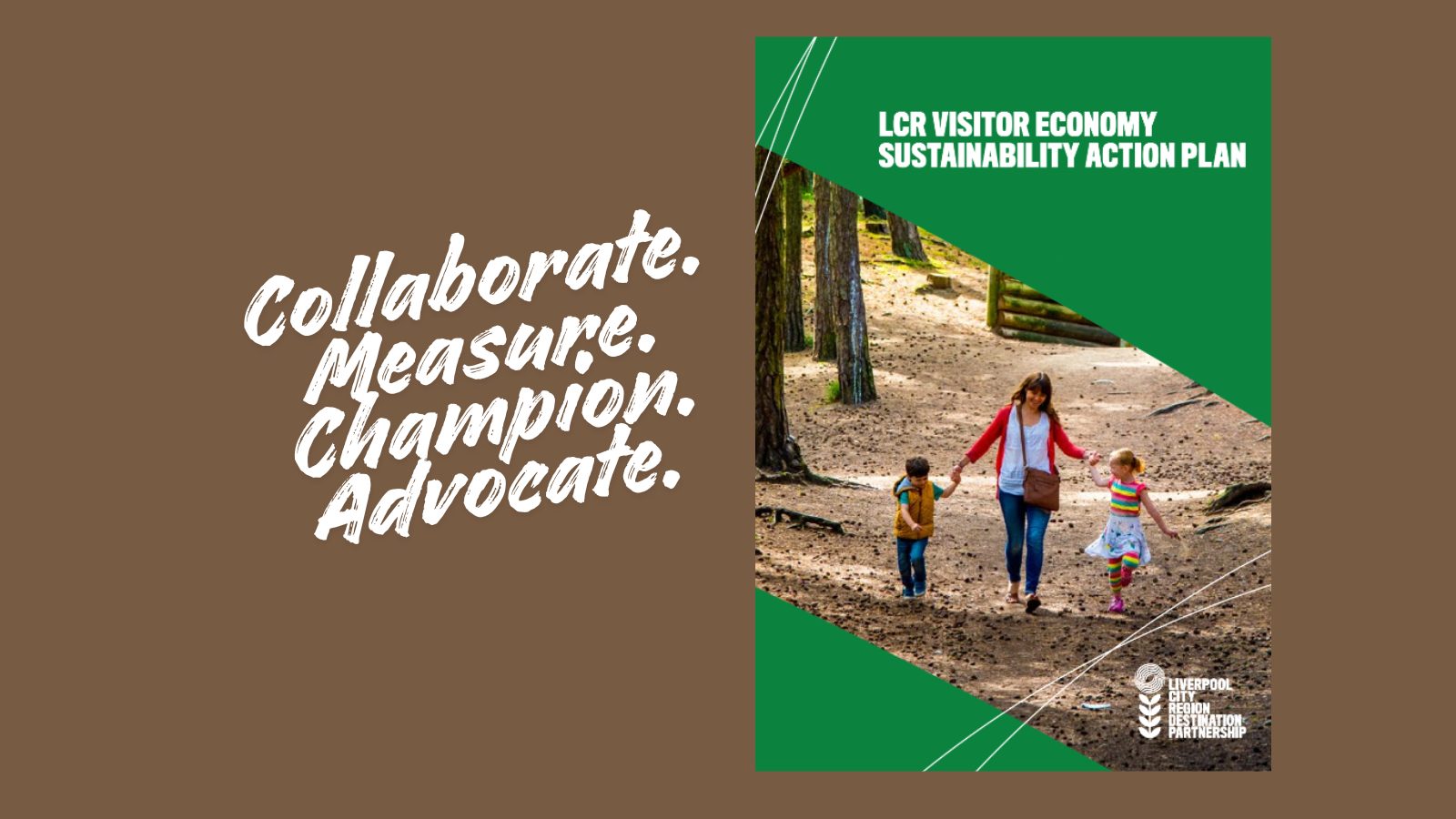
That is why the publication of the Liverpool City Region Visitor Economy Sustainability Action Plan matters. More than a statement of intent, the Action Plan is designed to provide a clear, practical framework for action, led by the Liverpool City Region Destination Partnership to support the visitor economy.
It also plays a vital role in actioning the sustainability commitments set out in the Liverpool City Region Destination Management Plan, turning long-term ambition into practical, deliverable action for the visitor economy.
At its heart, the Action Plan recognises a simple but important reality. A sustainable visitor economy is not built by individual organisations working in isolation. It depends on shared systems, transport, skills, supply chains, events, communities and places, all working in balance.
Natalie Wyatt, Managing Director of Liverpool City Region Destination Partnership (LCRDP), puts it simply:
“We believe that sustainability needs to become part of everyday business for the region’s visitor economy. This plan is about supporting the sector to adapt, stay competitive and make positive choices that work for businesses, communities and the places people come here to enjoy.”
FROM AMBITION TO ACTION
What sets this Action Plan apart is its focus on delivery. Rather than treating sustainability as a standalone project, it is embedded across how the visitor economy operates and grows.
The Plan is built around ten clear commitments, organised under four practical themes – collaborating, measuring, championing and advocating. Together, they create a structure that helps turn ambition into consistent action across the sector.
For businesses, that means practical support, not theory. Sustainability training, help with certification, shared toolkits, guidance on reducing carbon and improving inclusion, and clearer ways to measure progress and share learning.
Natalie explains:
“We know sustainability can feel complex, perhaps even dauting at first, especially when businesses are dealing with day‑to‑day pressures. Our role is to make it easier, to remove barriers, share best practice and support organisations to take confident steps forward.”
A STRONGER, MORE RESILIENT VISITOR ECONOMY
The Action Plan is also clear about why this work matters economically. Destinations that can demonstrate credible action on sustainability are better placed to attract investment, secure business events, build workforce confidence and meet the expectations of modern visitors.
Liverpool City Region is already well positioned, with strong cultural assets, a distinctive international offer, and a well‑earned reputation for creativity and warm hospitality. The Plan helps protect those strengths, while ensuring the benefits of tourism continue to flow to local communities.
Crucially, sustainability here is not just about the environment. It is about fair and rewarding employment, accessible and inclusive experiences, skills for the future workforce and ensuring residents remain at the heart of the visitor economy.
SUSTAINABILITY THAT DELIVERS FOR BUSINESSES
Just as importantly, sustainability can deliver direct benefits at business level. For many organisations, it supports better cost control through energy, waste and resource efficiency. It can event strengthen marketability when bidding for events, contracts or partnerships, where sustainability credentials are increasingly expected rather than optional.
Accreditation and certification also provide external recognition, helping businesses stand out, build trust and access new, more sustainability‑conscious markets. Over time, these measures help future‑proof organisations, reducing exposure to rising costs, regulatory change and shifting customer expectations.
Natalie is clear that sustainability must also deliver real value for businesses, saying:
“We hear from businesses all the time who want to do the right thing but also need it to make financial sense. Sustainability can help reduce costs, strengthen reputation and act as a catalyst for new opportunities. It’s not about doing everything at once, it’s about taking practical steps that add real value to the business.”
FOCUSED DELIVERY LED BY LCRDP
This is not a plan designed to sit on a shelf. It is a focused delivery framework led by the Liverpool City Region Destination Partnership, setting out the practical actions LCRDP will take to embed sustainability across the visitor economy.
Natalie added:
“This Action Plan is about putting support in place and making it easier for businesses to act. Our role is to lead delivery, provide practical tools and work with the sector to help sustainability become part of everyday decision-making.”
For organisations across Liverpool City Region’s tourism, hospitality, culture, events and transport, the message is clear. There is a clear opportunity here for businesses across the Liverpool City Region to benefit from a focused, practical programme of sustainability action led by LCRDP.
DOWNLOAD THE ACTION PLAN
The Liverpool City Region Visitor Economy Sustainability Action Plan sets out the commitments, tools and support available to help the sector move forward together.
Download the Action Plan and find out how your organisation can get involved HERE.