


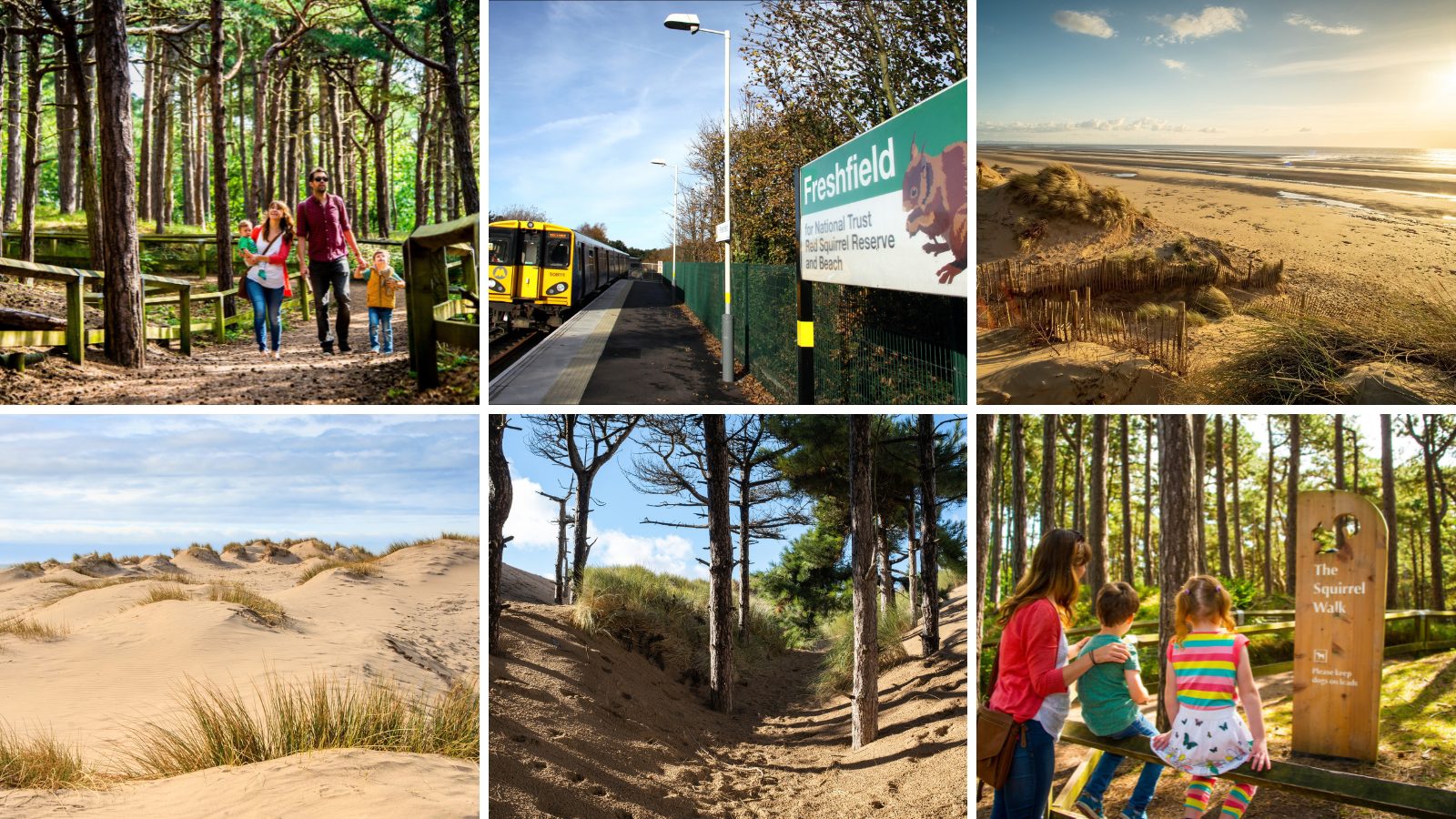
The beach seems to go on forever. Families spread out across the sand, children race towards the shoreline, and walkers disappear into the distance beneath an enormous sky. Even on a busy summer afternoon, there is a sense of space here that feels increasingly rare.
This is Formby, one of Liverpool City Region’s most recognisable coastal destinations. Visitors and residents come for all sorts of reasons, picnics on warm days, long walks beside the sea, sunset views across the Irish Sea, time with family, or simply the opportunity to escape the usual routine.
Yet what makes Formby remarkable is that the beach is only the beginning. Behind the shoreline lies a landscape of shifting dunes, rare wildlife and pinewoods alive with red squirrels. Every path seems to lead somewhere different and every visit reveals something new.
It is easy to see why so many people return. Some arrive for a day at the seaside and discover a nature reserve. Others come hoping to spot wildlife and find themselves standing within one of the most important dune systems in north west Europe. Many simply come to walk, breathe deeply and enjoy the feeling of open space.
Whatever brings people here, Formby has a habit of rewarding curiosity. Because this is much more than an ordinary beach. It is a place where forest meets sea, where history emerges from the sand and where nature continues to shape the landscape day after day and the best way to understand it is simply to start walking.
THE WOODS
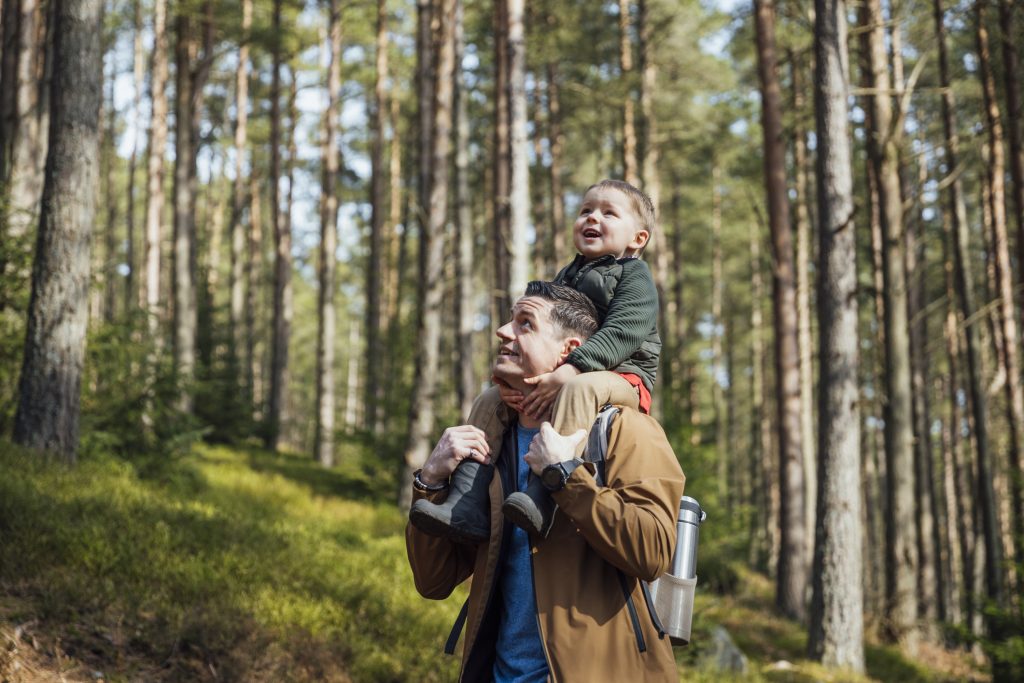
Family visits Formby Pinewoods.
The route towards the coast begins beneath the trees.
Formby Pinewoods are among the defining features of the area, creating a landscape that feels entirely different from many coastal destinations. Sunlight filters through the branches overhead, casting shifting patterns across winding woodland trails. The sound of the sea remains distant for now, replaced by birdsong and the gentle crunch of footsteps beneath the canopy.
It is a surprisingly tranquil experience. People slow down here without really noticing. Conversations become quieter. Children start exploring side paths and looking upwards into the trees. Then comes the moment everyone hopes for.
A flicker of movement. A rustle among the branches. Then, just for a moment, a vibrant red squirrel appears, its russet fur catching the sunlight before it disappears effortlessly through the woodland canopy.
Formby is one of the best-known places in England to catch a glimpse of the endangered native red squirrel, a species that has vanished from much of its former range due to competition from the introduced North American grey.
Its presence here is a reminder not only of the richness of Formby’s wildlife, but also of the vital conservation work helping to safeguard one of Britain’s most cherished woodland creatures.
WALKING INTO THE DUNES
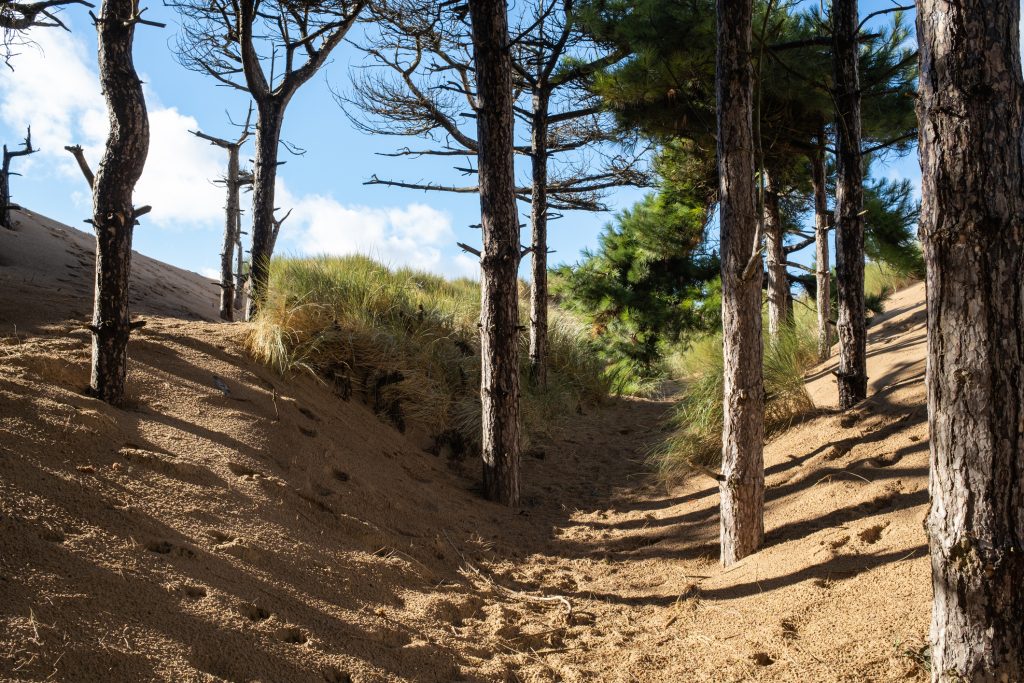
Where the woods meet the dunes – Formby Pinewoods
Gradually, the woodland begins to thin. The trees become more scattered. The breeze grows stronger. The scent of salt air begins to mingle with and gradually replace the scent of pine.
Then, almost suddenly, the dunes appear. Rolling away in sandy ridges towards the shoreline, they create a landscape unlike anywhere else in Liverpool City Region.
The first impression is one of scale. Paths weave through tall grasses that sway in the wind. Every rise reveals a different view. The constantly shifting nature of the dunes means no two visits feel exactly the same.
What appears wild and untamed is also incredibly important. The Sefton Coast is recognised as one of the most significant dune habitats in north west Europe, supporting an extraordinary range of wildlife and plant species.
Formby’s dunes, grasslands and woodland habitats create a rich mosaic of environments where species including natterjack toads, sand lizards and internationally important bird populations thrive.
Yet none of this feels like a lesson in ecology. Instead, it feels like a naturally evolving discovery. People climb the dunes to admire the view. Children scramble along sandy slopes. Dog walkers follow familiar routes. Every visitor seems to experience the landscape differently. The dunes are not simply part of the journey. They are a destination in their own right.
WHERE HISTORY EMERGES FROM THE SAND
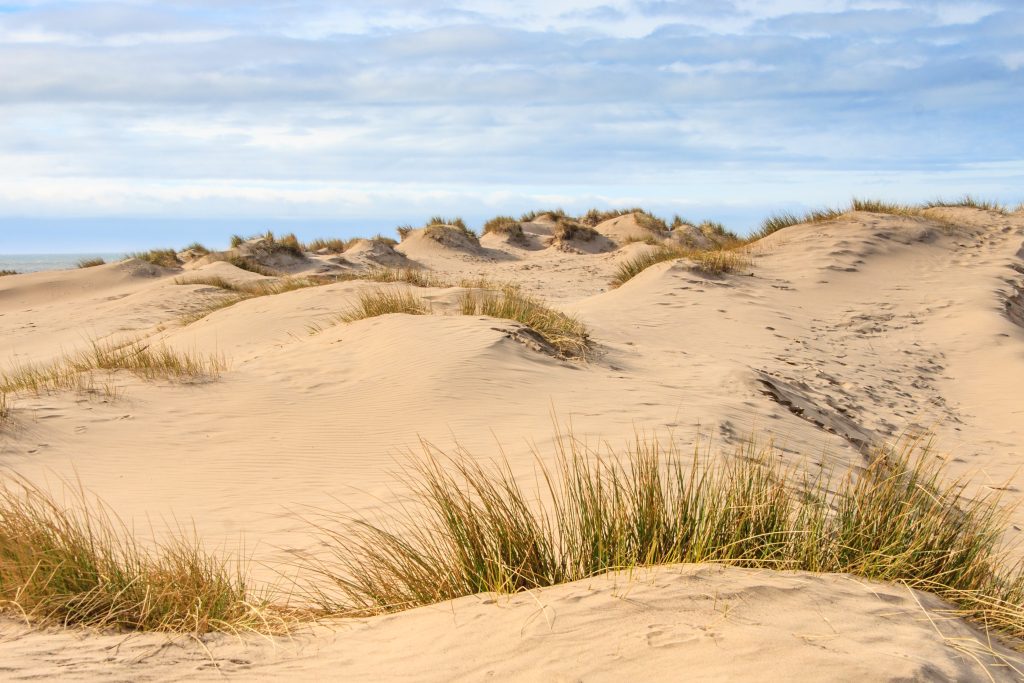
Formby Sand Dunes near Formby Pinewoods
As the shoreline comes into view, Formby’s most fascinating story begins to reveal itself. Quite literally. Few places offer such a tangible connection to the distant past.
Archaeological discoveries on Formby Beach have revealed evidence of human and animal activity dating back several thousand years, with some footprints believed to be around 7,000 years old. Alongside human footprints are tracks left by animals including red deer and wild boar, offering a remarkable glimpse into a landscape shaped by time.
Standing on the beach today, families build sandcastles and walkers follow the tide line. Yet just beneath the surface lies evidence of lives lived in a world almost beyond imagination.
Every so often, changing conditions reveal another chapter. Shipwrecks emerge from the sands. Ancient footprints appear and disappear. Layers of history reveal themselves before being reclaimed once again by the sea. The remains of vessels such as the Ionic Star stand as reminders of the long and often dramatic relationship between people and this coastline.
Formby is not a landscape that keeps its past locked away. It shares it, quietly, with those prepared to look.
THE BEACH
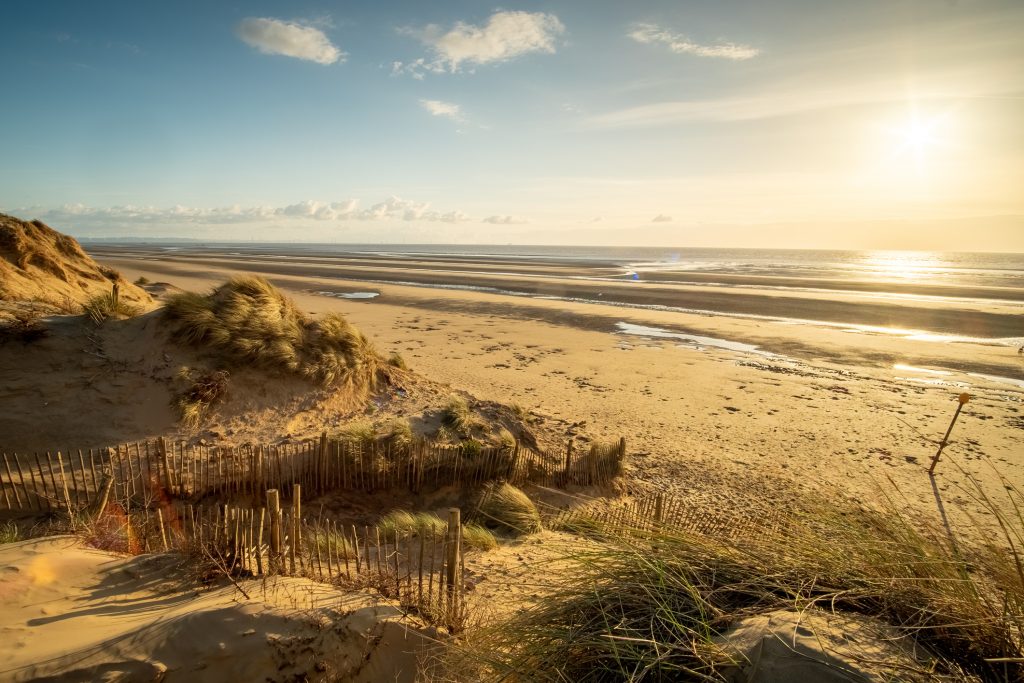
Formby Beach
And then there is the beach itself; wide, open and seemingly endless. The shoreline stretches for miles beneath vast skies, creating one of the most distinctive coastal experiences in the North West. Even on busy summer days, there is a feeling of epic freedom here.
The horizon pulls your gaze endlessly westward. If you walk far out, the sea sparkles in the afternoon sun. Children run towards the water carrying buckets and spades. Families settle down for picnics. Friends walk together along the tide line, stopping occasionally to watch the waves roll in.
For many visitors the coastline becomes a great place to think. There is something about open skies and water that naturally creates perspective. Problems seem smaller. Conversations become easier. Routine slips quietly into the background. It is impossible to hurry a horizon. Perhaps that is why so many people leave feeling calmer and more themselves than when they arrived.
A LANDSCAPE WORTH PROTECTING
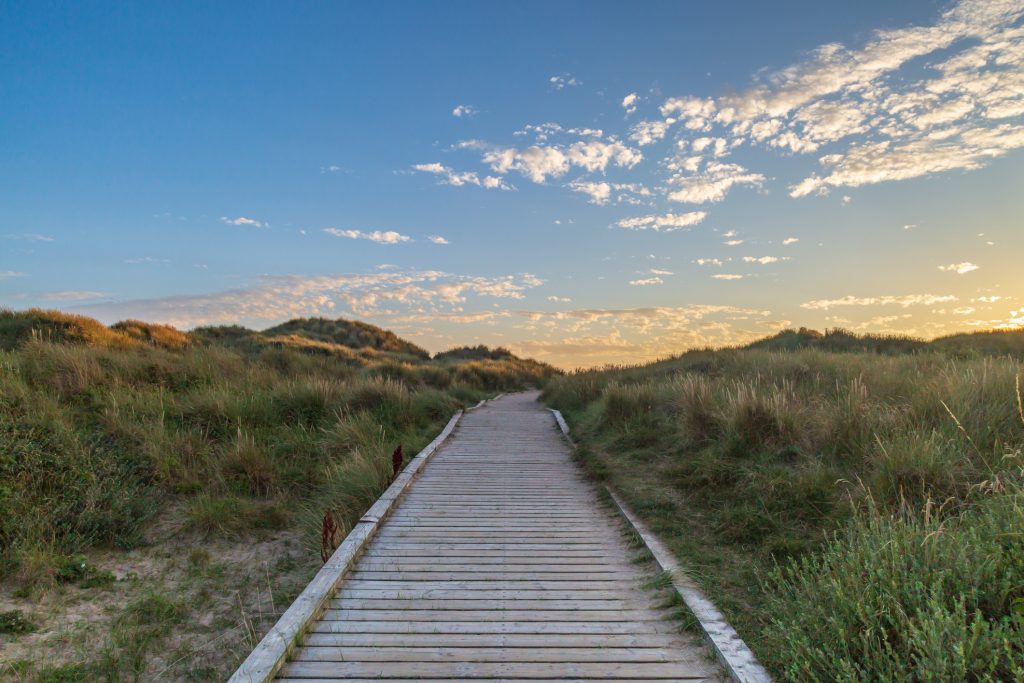
Formby Beach Pathway
The longer I spend here, the more evident it becomes that Formby’s greatest strength lies in balance. It welcomes thousands of visitors while remaining one of the country’s most important wildlife destinations. It offers freedom and access while protecting rare and fragile ecosystems. It feels wild, yet it is carefully looked after.
The National Trust describes Formby as “a coastal nature haven for wildlife and people”, a phrase that neatly captures the challenge and opportunity of managing such a unique place.
For Mark Catherall, Sefton Council’s Head of Service, Visitor Economy and Enterprise, that balance is a major part of Formby’s enduring appeal.
“Formby offers something that is becoming increasingly valuable in modern life, the chance to slow down. People come here for the beach, the dunes and the red squirrels, but what many remember most is how the place makes them feel. There is a real sense of escape, whether you’re walking through the pinewoods, watching the waves roll in or simply taking in the scale of the landscape around you.
“Few places can offer such a rich combination of nature, wildlife, history and coastline in a single visit. That’s why Formby remains one of Sefton’s most treasured destinations and why so many people return year after year to experience it again.”
Conservation efforts continue across the site to protect habitats, monitor species and safeguard the coastline for future generations. The landscape itself remains dynamic. Dunes shift. Weather reshapes the shore. Wildlife adapts to seasonal changes. Change is part of Formby’s identity.
THE WALK BACK
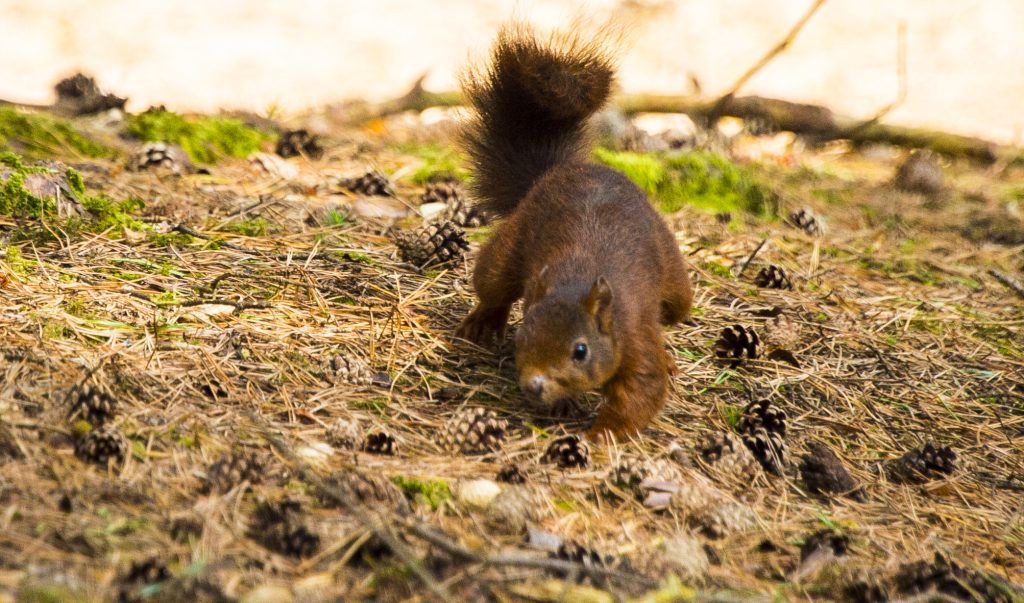
Squirrel at Formby Pinewoods
Eventually, the journey turns inland once again. The beach disappears behind the dunes. The dunes give way to woodland. The pine trees reappear. The familiar paths begin to guide visitors back towards everyday life.
Few places offer such variety within a single walk. Forest. Dunes. Coastline. Wildlife. History. Each is memorable on its own. Together, they create something truly special. It is a place to experience.
So, pack a picnic, pull on your walking shoes, take a deep breath, step onto the sand, and experience one of Liverpool City Region’s most remarkable coastal landscapes for yourself
To find out more and start planning your visit, click HERE.