


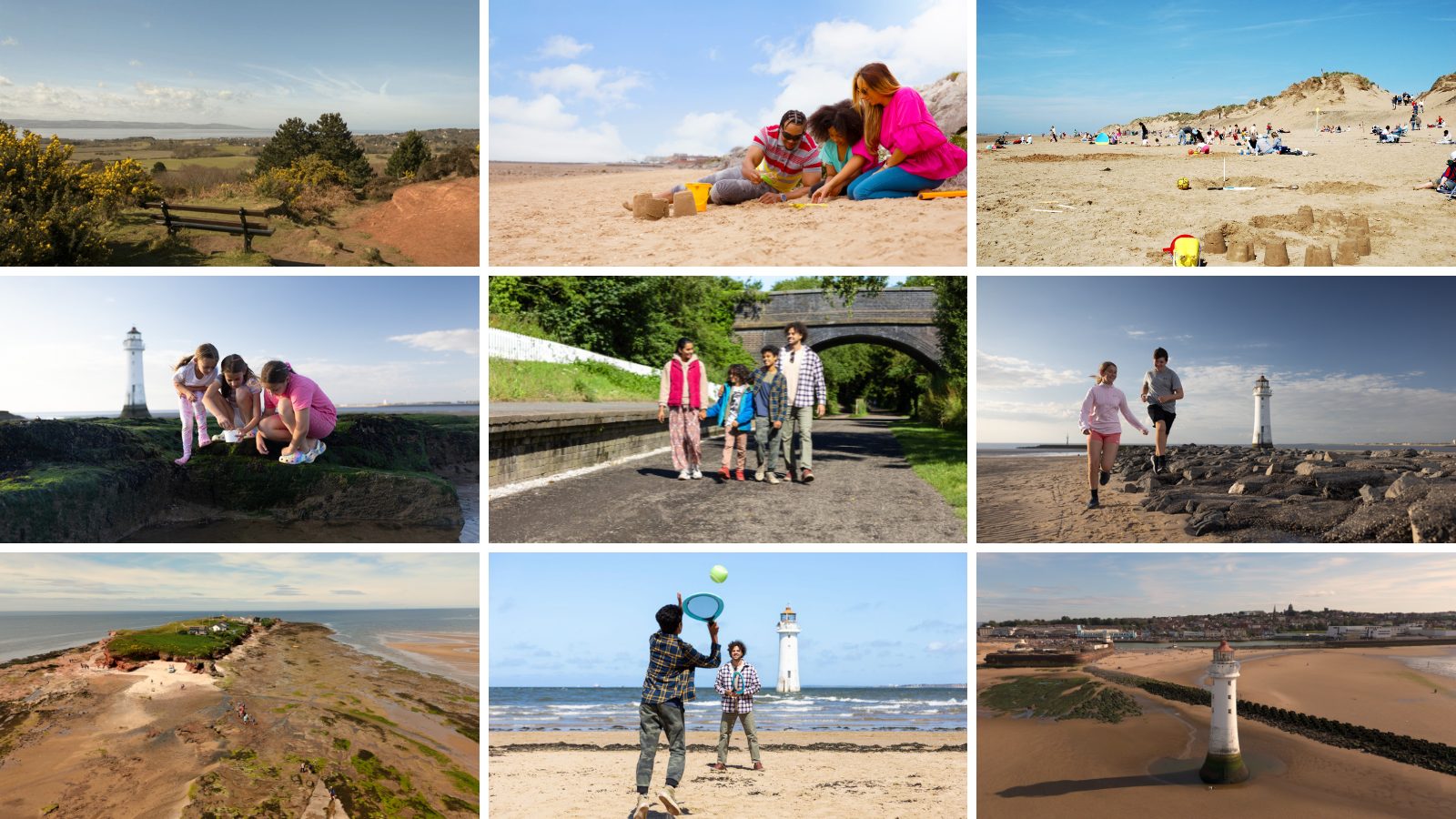
There is something wonderfully refreshing about a holiday that doesn’t require an app, an itinerary spreadsheet or a queue for the latest attraction.
Some of the most relaxing breaks are built on simple pleasures: a promenade stroll before supper, the thrill of a ferry ride, a day spent on the beach with classic sandwiches and a windbreak, or a walk where the only timetable that matters is the tide.
While Liverpool itself is rightly celebrated for its vibrant music, culture and maritime history, the wider Liverpool City Region also cherishes all the classic ingredients that once defined a traditional British holiday. Here are seaside towns where generations have come to paddle and promenade; nature reserves where children still collect shells and hunt for wildlife; and walking and cycling routes that encourage travellers to slow down and savour the landscape.
In an age of relentless novelty, these are the places that remind us why some holiday traditions have never gone out of fashion.
SOUTHPORT: THE VICTORIAN SEASIDE HOLIDAY
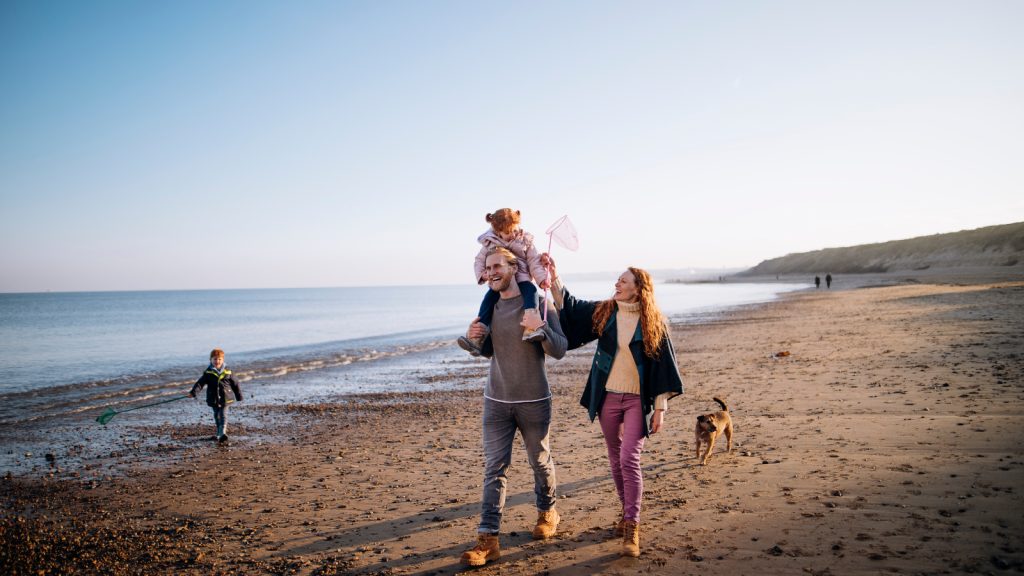
If there is a place in Liverpool City Region that most perfectly captures the spirit of a traditional British seaside resort, it is Southport.
The ritual begins as it always has. A stroll along Lord Street beneath elegant canopies. A wander towards the seafront. The first glimpse of the pier stretching out towards the horizon. Children tugging parents towards ice cream kiosks while grandparents pause to admire the view.
Southport possesses a gentility that feels increasingly rare. It belongs to a tradition of Victorian holidaymaking that favoured promenading as much as paddling. This is a town made for taking one’s time.
The vast expanse of Marine Lake remains one of its defining attractions. Families hire boats, watch the world drift by and enjoy an afternoon that requires very little more than fair weather and good company. Nearby, the famous pier remains one of Britain’s most distinctive seaside landmarks and is currently undergoing a major restoration.
There is no need for elaborate plans here. A day can happily disappear between fish and chips, a walk along the promenade, an ice cream in hand and a few hours watching life unfold by the water.
That, perhaps, is Southport’s greatest achievement. It makes simplicity feel luxurious again.
Yet Southport’s story is still being written. Significant investment is breathing new life into the town, restoring treasured landmarks and reimagining spaces for a new generation of visitors. It is a thoughtful evolution rather than a reinvention, one that honours Southport’s Victorian heritage while strengthening its place at the heart of the Liverpool City Region’s visitor economy.
More information:
www.visitsouthport.com
NEW BRIGHTON: A PROPER SEASIDE DAY OUT
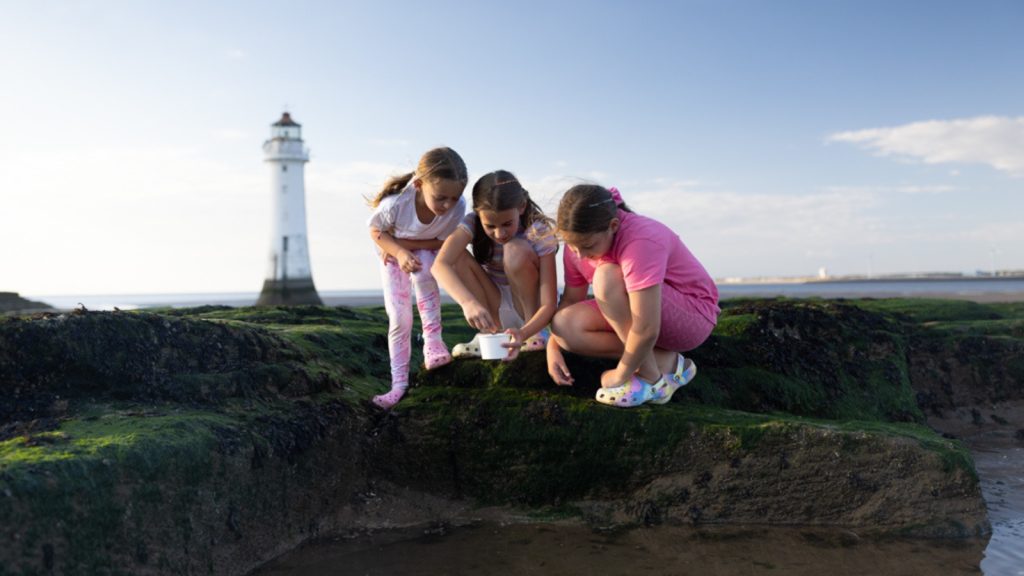
Across the River Mersey, New Brighton delivers the sort of seaside experience that many people thought had disappeared. The first thing you notice is the beach itself. A broad sweep of golden sand stretches along the coast, inviting bucket-and-spade adventures, sandcastle competitions and barefoot paddles at the water’s edge.
Beyond it rises the familiar silhouette of Liverpool’s skyline, creating one of the country’s most distinctive seaside panoramas. New Brighton has always been about uncomplicated fun. Families arrive carrying picnic bags and folding chairs. Children race towards the shoreline. Ice creams melt slightly faster than they should.
Standing sentinel offshore are New Brighton Lighthouse and Fort Perch Rock, handsome structures built in the late 1820s to help ensure the safe operation of the port. Around them, the coast tells stories of ferries, fishing boats and generations of holidaymakers who sought fresh sea air away from city streets.
Inland, the Victoria Quarter adds another layer of charm. Independent shops, an extensive open-air gallery of colourful murals, cafés and historic architecture provide the sense that this is a seaside town with its own character rather than a manufactured attraction. The appeal of New Brighton lies not in spectacle but familiarity.
It is the kind of place people return to because it feels reassuringly unchanged. The sea is still there. The promenade is still there. The lighthouse is still there. The pleasures remain beautifully uncomplicated.
More information:
www.visitwirral.com
www.visitliverpool.com
HILBRE ISLANDS: THE JOY OF A TIDAL ADVENTURE
Some holidays are memorable because of what you do. Others are memorable because getting there feels like an adventure.
The Hilbre Islands belong firmly in the latter category.
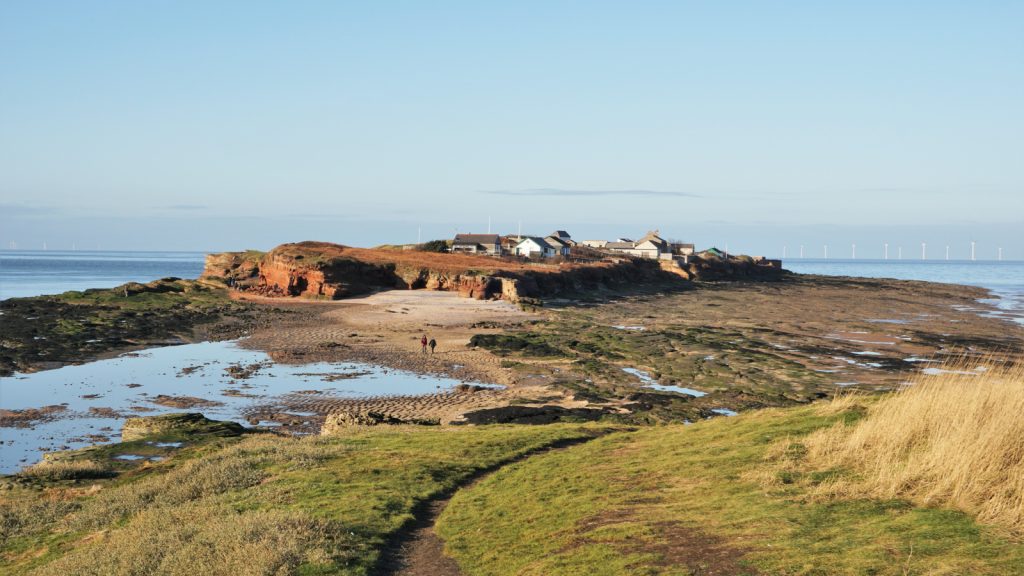
At the mouth of the Dee Estuary, three small tidal islands lie just offshore from West Kirby. Reaching them requires planning, patience and respect for the tide tables, old-fashioned skills rarely demanded by modern travel.
As the sea retreats, walkers set off across the sands towards what feels like another world. Children scan the horizon for seals. Birdwatchers unpack binoculars. The bustle of everyday life gradually recedes behind them.
Arriving on Hilbre brings a rare sense of discovery. The islands feel wonderfully detached from modernity. Windswept grasslands, seabirds and expansive estuary views create a landscape that encourages exploration rather than consumption.
Grey seals are regularly spotted basking nearby, while migrating birds have long made the islands a favourite destination for wildlife enthusiasts. Yet the experience is as much about the journey as the wildlife itself.
There is something delightfully nostalgic about a day governed by nature rather than screens. No attractions. No admission tickets. Just a tidal causeway, a picnic and the excitement of being somewhere slightly wild. But be sure to check the tide times when planning your journey.
Many coastal destinations promise escape. Hilbre genuinely delivers it.
More information:
www.visitwirral.com
FORMBY AND THE SEFTON COAST: BEACHCOMBING AND BIRDSONG
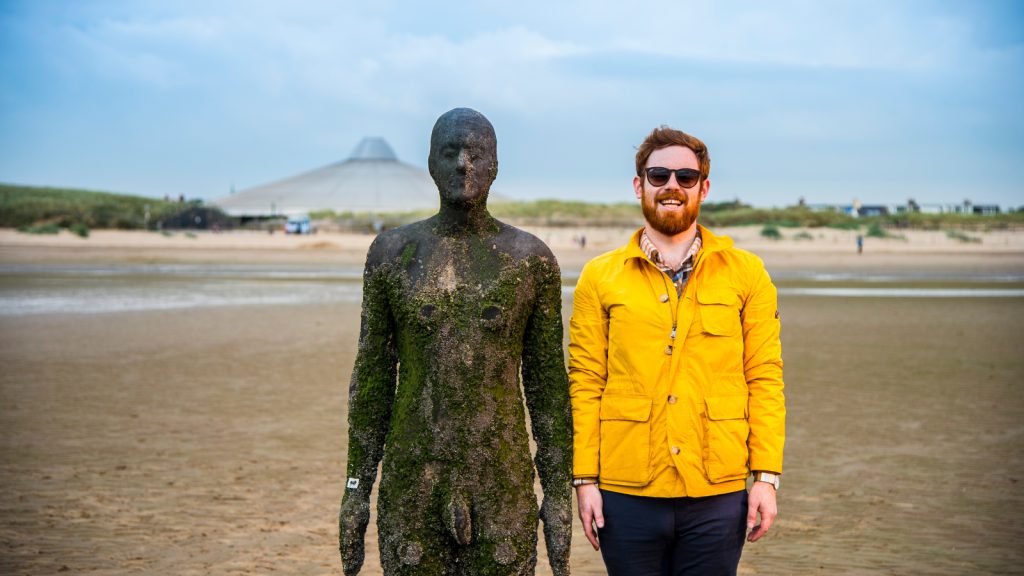
The classic British seaside holiday is often imagined as a pier and promenade, but another tradition runs just as deep: long days spent outdoors exploring coastlines, dunes and nature reserves.
Nowhere embodies that better than Formby and the wider Sefton Coast.
Here, high dunes rise like miniature mountains above seemingly endless beaches. Footpaths weave through pine woods. The soundtrack is birdsong, sea breezes and distant waves.
This is a landscape designed for simple pleasures. Families spend hours searching for shells along the shoreline. Walkers wander for miles without encountering much more than seabirds and fellow explorers. Picnic blankets appear wherever the sun breaks through.
Formby has become famous for its resident red squirrels, whose survival here lends the area an additional sense of uniqueness. Spotting one remains a genuine holiday highlight for visitors of all ages.
Yet what makes the Sefton Coast particularly special is its sense of freedom. There is room to roam. Room to breathe. Room for children to invent adventures of their own.
Many families spend entire days here with little more than sandwiches, a flask and a tide timetable. The recipe has worked for generations.
The popularity of outdoor holidays may have surged in recent years, but this coastline reminds us that Britain’s greatest natural experiences have been quietly waiting all along.
More information:
www.visitliverpool.com
WIRRAL COUNTRY PARK AND THE WIRRAL WAY: SLOW TRAVEL DONE PROPERLY
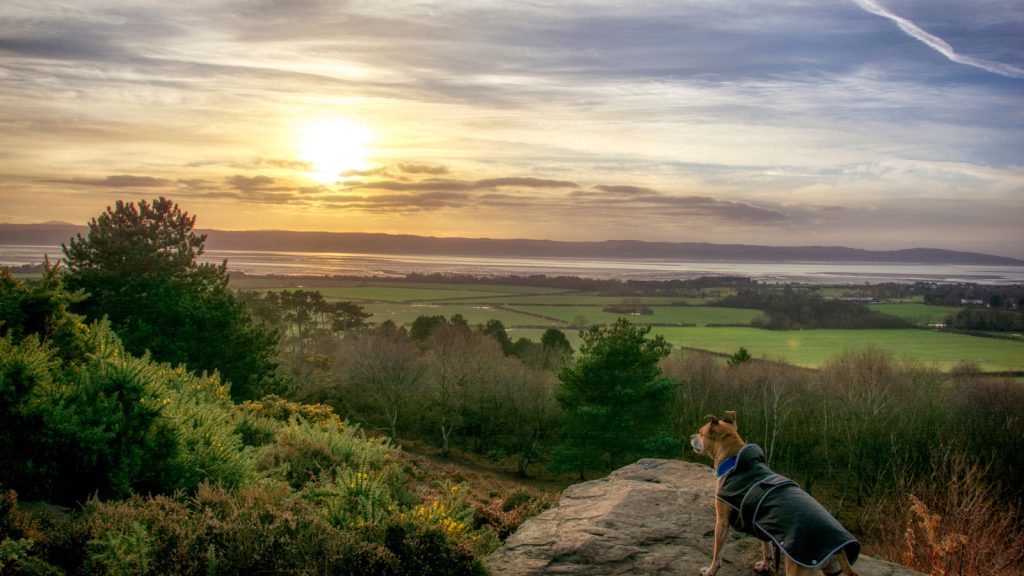
Long before “slow travel” became fashionable, people explored Britain on foot and by bicycle, following old railway lines, country lanes and coastal paths.
The Wirral Way feels like a celebration of that tradition.
Running through Wirral Country Park, Britain’s first designated Country Park, the route follows the track bed of the former West Kirby to Hooton railway line. Today it offers one of the most enjoyable gentle touring experiences in north-west England.
Whether walking or cycling, travellers move through a changing landscape of woodland, meadows, estuary views and wildlife-rich habitats. The pace is deliberately unhurried. There is always another bench, another view, another village stop.
The finest sections reveal sweeping panoramas across the Dee Estuary towards the hills beyond. On clear days the views seem to stretch forever.
What makes the experience feel especially old-fashioned is its simplicity. There is no need for specialist equipment or ambitious goals. The pleasure lies in following the route, watching the scenery unfold and stopping whenever something catches your eye.
Former railway lines often carry a certain romance. You can imagine passengers once gazing from carriage windows at many of the same views. Today, the rhythm is slower but no less rewarding.
For travellers seeking an antidote to frantic modern holidays, the Wirral Way offers exactly the right journey.
More information:
www.visitwirral.com
THE MERSEY FERRY: WHEN THE JOURNEY IS THE HOLIDAY
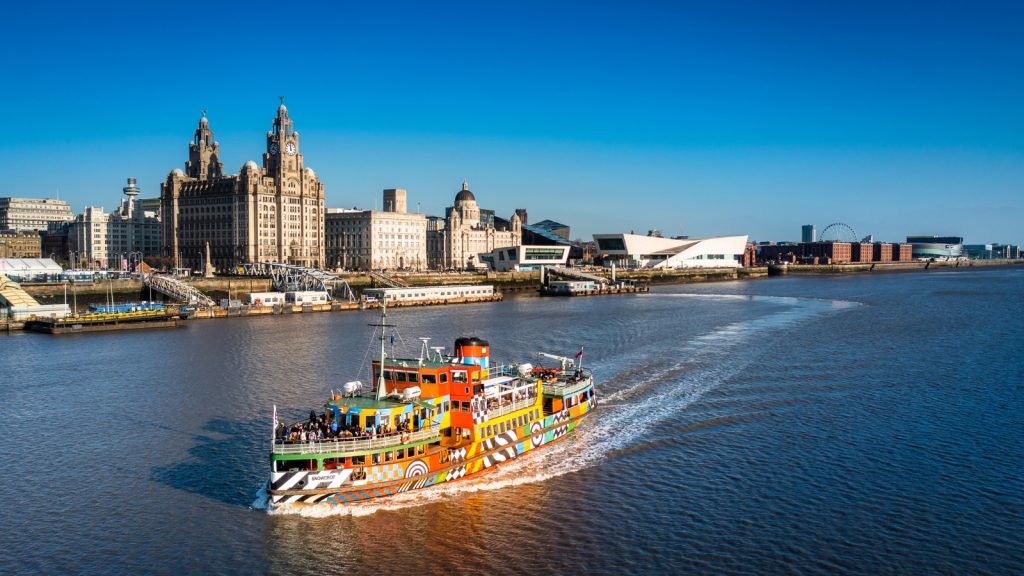
There was a time when travel itself was part of the adventure.
The Mersey Ferry still preserves that feeling.
While many people rush across bridges or through tunnels without a second thought, those who step aboard the ferry choose a different experience. One measured not in efficiency but enjoyment.
As the vessel pulls away from the landing stage, Liverpool’s waterfront gradually reveals itself. The city’s famous skyline rises above the river while working docks, historic buildings and passing vessels tell the story of one of the world’s great maritime centres.
The crossing encourages observation. People lean on railings. Conversations slow. Cameras appear. The river takes centre stage.
Generations of Merseyside families have made ferry trips part of their leisure time, and it remains one of the region’s most enduring traditions. There is something timeless about being carried across the water while watching ships come and go.
In many ways, the ferry encapsulates the essence of an old-fashioned holiday. It transforms an ordinary journey into an experience worth remembering.
Modern travel often prioritises speed. The Mersey Ferry reminds us that sometimes travelling slowly is the greater pleasure.
More information:
www.visitliverpool.com
WHY THESE HOLIDAYS STILL MATTER

The enduring appeal of old-fashioned holidays lies not in nostalgia alone, but in what they give us permission to do.
To walk rather than rush. To look rather than scroll. To spend a day exploring dunes, crossing tidal sands, riding ferries or strolling a promenade without feeling the need to optimise every moment.
In many ways, they offer a gentle reminder of habits we perhaps neglect too easily: walking further, lingering longer, breathing sea air and spending time outdoors. What once felt entirely ordinary now seems increasingly valuable for both body and mind.
Across Liverpool City Region, these experiences survive remarkably intact. Southport still offers Victorian seaside elegance. New Brighton still delivers the pleasures of a classic day at the beach. Hilbre still rewards those willing to follow the tides. The Sefton Coast remains a haven for nature lovers. The Wirral Way still invites travellers to explore at a gentler pace. And the Mersey Ferry continues to prove that some journeys never lose their magic.
The details may evolve, but the essence remains unchanged: sea air, simple pleasures and the quiet satisfaction of a holiday that asks very little and gives back far more than expected.
For further inspiration visit: