


Small adjustments that make a meaningful difference
About the organisation
The Catalyst Science Discovery Centre and Museum in Widnes celebrates the region’s chemical heritage through interactive exhibits, a live science theatre and family workshops. Housed in a Grade II listed building, it balances historic architecture with hands‑on, contemporary learning experiences for visitors of all ages.
The challenge
Historic buildings can pose practical challenges for accessibility, and the Catalyst team wanted to ensure their museum felt welcoming and usable for as many people as possible, particularly those with sensory, neurodivergent or communication needs.
What they did
In 2024, Catalyst received £1 million from The National Lottery Heritage Fund for the Synergy Project, a programme centred on making heritage more accessible and meaningful. Accessibility and inclusion sit at the heart of this work.
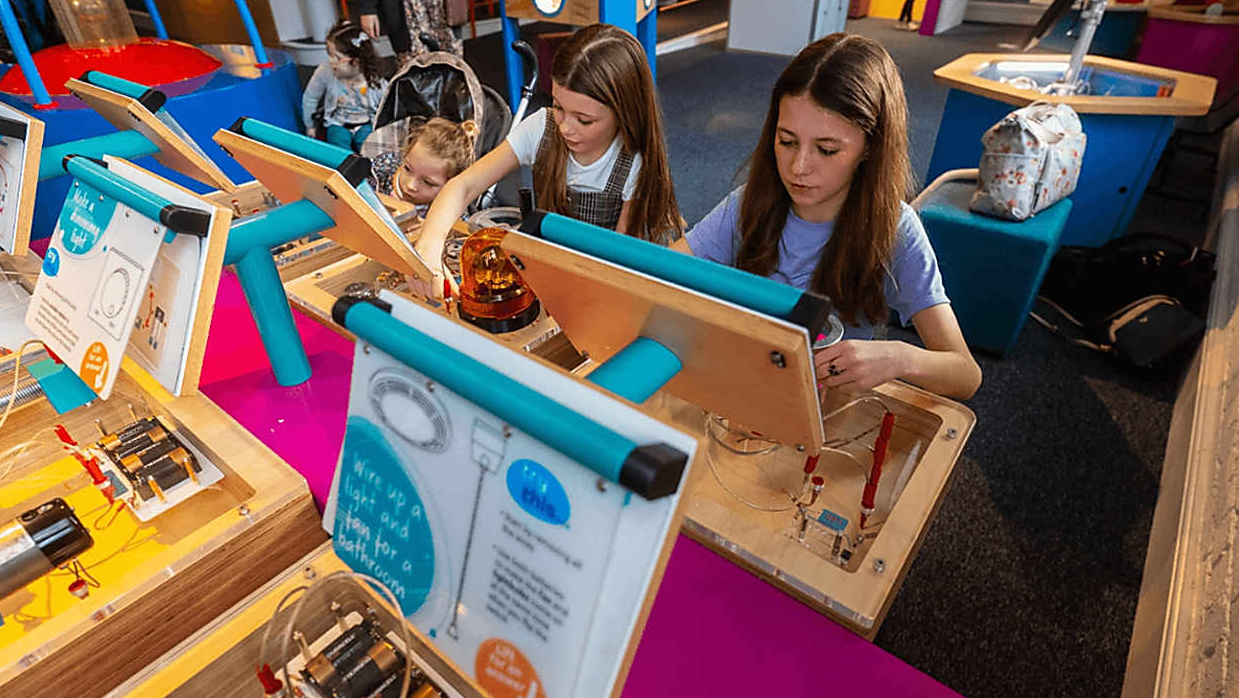
One of the first initiatives was piloting Quiet Hours, designed for visitors with autism, dementia, or sensory, social, emotional or mental health needs. During these sessions, changes such as turning off automatic sensor interactives help reduce sensory overload.
Alongside this, Catalyst has:
- Invested in staff and volunteer training
- Enhanced its sensory bags
- Introduced communication cards, ergonomic cutlery and large‑print menus
- Begun a partnership with Signature to develop bespoke BSL signage throughout the museum
Crucially, many of these changes were shaped through conversations with local community groups, ensuring decisions were informed by real needs.
The impact
Even at the pilot stage, the impact has been striking. During a Quiet Morning session, a parent and child were able to enter one of the galleries for the first time in five years. For the team, this reinforced how relatively small changes can transform a visitor’s experience.
Best‑practice highlights
- Piloting changes and learning from real‑world use
- Reducing sensory barriers without removing core experiences
- Listening directly to community feedback
- Treating accessibility as an ongoing process
Advice to others
For Catalyst, accessibility is not treated as an add-on or a single initiative, but as something that begins long before a visitor walks through the door. The team has learned that confidence, comfort and inclusion are built in advance, through information, preparation and trust.
As CEO, Nikki Burton Mallott sees pre-visit communication as a powerful accessibility tool in its own right, particularly for visitors who may experience anxiety, sensory overload or uncertainty about new environments. Being clear and specific helps remove barriers before they arise and makes cultural spaces feel more achievable and welcoming.
Drawing on Catalyst’s work through the Synergy Project, Nikki encourages organisations to think beyond physical adjustments and consider how people experience a visit in its entirety:
“Accessibility starts before the visitor arrives. Clear, detailed pre‑visit information is essential in helping people feel confident and comfortable enough to visit.”
For more information on Catalyst Science Discovery Centre and Museum, click HERE.