


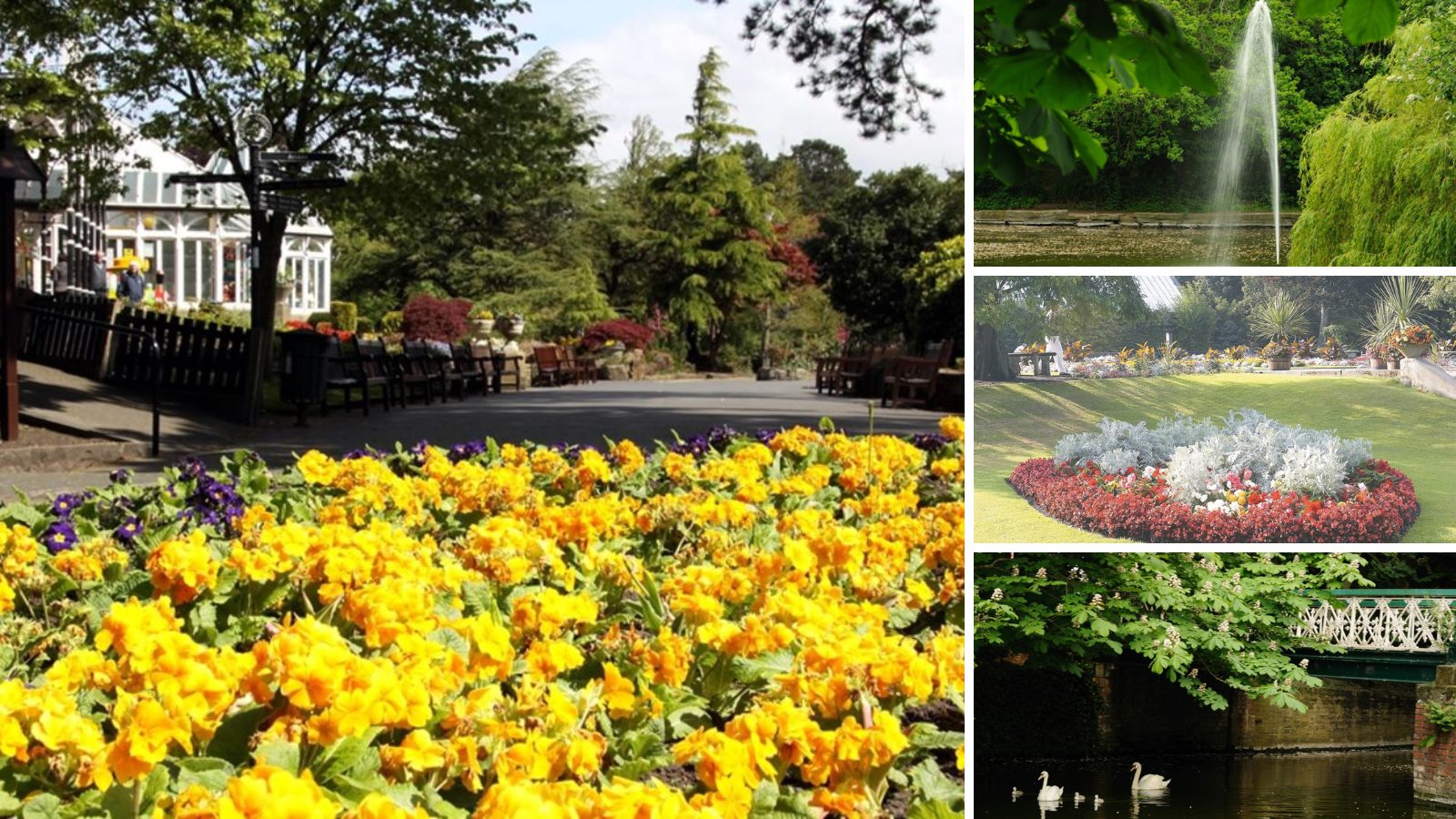
April always brings people back to Botanic Gardens, drawn by longer days and the promise of spring.
The days begin to stretch, the paths feel busier without ever feeling crowded, and the lake reflects signs of a season beginning to brighten. Trees are lighter at their tips, gardeners are active again along the borders, and familiar routes start to feel inviting after the quieter months of winter.
Founded in 1874 by a group of local working people rather than a landed estate, Botanic Gardens began as a shared civic ambition. The Southport and Churchtown Botanic Gardens Company raised the funds themselves to create a public garden with a museum, tea rooms and a conservatory, laying out a space that was always intended to be used, enjoyed, and returned to by the community.
From the very beginning, Botanic Gardens was created as a Victorian public space, designed to give local people access to fresh air, carefully planted landscapes, and a place for restorative recreation. That original purpose still shapes the gardens today. Set out around a central lake, the layout encourages unhurried walking, stopping, and returning, rather than following a single route from start to finish.
The historic fernery remains one of the garden’s defining features. Its glass and iron structure stands as a reminder of the gardens’ origins, while inside the conditions create a contrast that feels particularly welcome in early spring.
A walk around the lake is the most popular way to experience the gardens, offering open views across the water, opportunities to spot water birds, and plenty of benches for resting along the way. The paths are level and well surfaced, making them suitable for families with buggies, wheelchair users, older visitors, and anyone looking for a relaxed stroll rather than a long walk.
Beyond the main loop, smaller paths lead through lawns and planted areas that change subtly through the spring months. April is a good time to visit for repeat walks, as new details emerge week by week, from early blossom to fresh leaves and the first signs of seasonal planting.
At the heart of the gardens, Botanic Gardens Café provides a natural pause, serving freshly made coffee, simple hot meals, and generous slices of cake that encourage visitors to slow down rather than rush on. It is the kind of place where a quick stop easily turns into an unplanned break, stretching a short walk into a longer afternoon.
According to Mark Catherall, Sefton Council’s Head of Service – Visitor Economy and Enterprise, spaces like Botanic Gardens play an important role in shaping how visitors experience the town, complementing its parks, coast, and outdoor attractions.
“Botanic Gardens is one of those places that captures what Southport does so well. It offers visitors space, calm, and a sense of quality time outdoors, without ever feeling contrived or over programmed. As part of Southport’s wider network of parks, gardens and coastal green spaces, it shows how nature, heritage and everyday enjoyment come together to create a visitor experience that is as restorative as it is memorable.”
As the weather improves, outdoor seating becomes more appealing, and visitors often linger with a drink before heading back into the gardens or out towards the nearby village. It adds to the feeling that Botanic Gardens is somewhere to spend time rather than pass through.
Throughout spring, the gardens are used for everyday recreation, gentle exercise, meeting friends, and quiet moments outdoors. It is not a place that demands attention, instead it rewards those who return and notice small changes as the season unfolds.
In April, Botanic Gardens feels especially well-suited to its original purpose, offering space, pause, and connection to nature at a moment when people are beginning to step outside more often again. For anyone looking for an easy, well cared for green space to explore at their own pace, it remains a place that fits naturally into everyday life.
For more information on Southport’s Botanic Gardens, click HERE.